Choosing an E-Commerce SEO Agency for Sustainable Growth
Wiki Article
Choosing an E-Commerce SEO Agency
Choosing an e-commerce SEO agency can affect product visibility, category structure, technical priorities, and the way a store measures organic growth. A suitable provider should understand that an online shop has different needs from a brochure website. It should be able to explain how research will inform product and category pages, what technical work is included, and how the business will review progress.
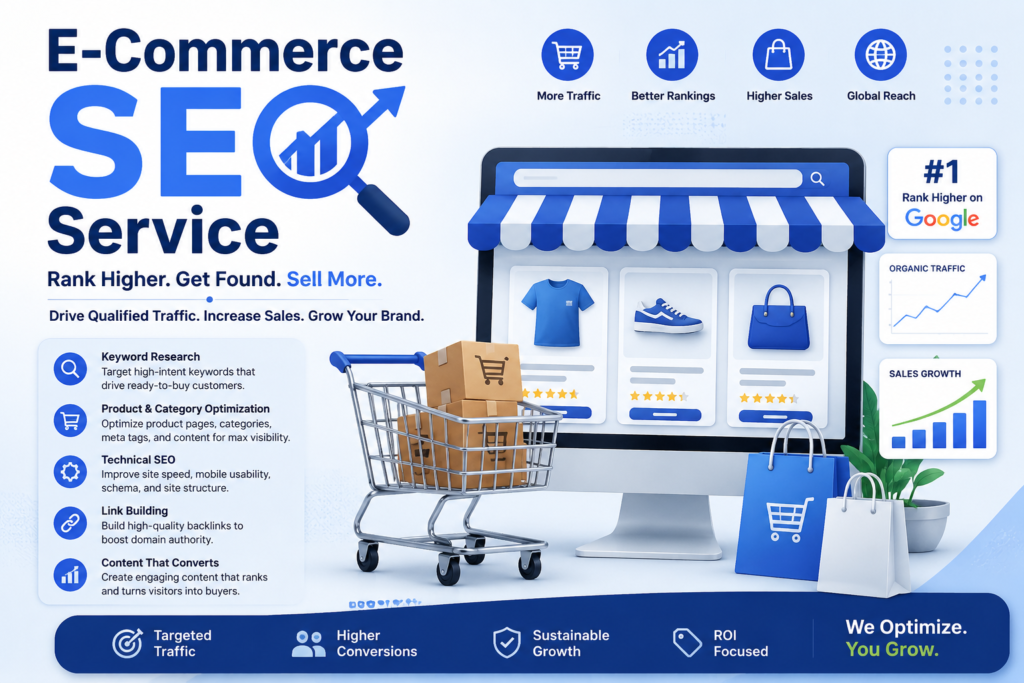
Worldwide Digital Hub offers an E-Commerce SEO Service. Before selecting it or another provider, define the store’s main challenge and compare proposals using consistent criteria. Clear questions help separate a relevant, measurable plan from a broad list of SEO activities.
Define the Store’s Priority
Identify what needs to improve. Perhaps product pages receive little organic traffic, category pages do not rank for relevant searches, organic visits do not convert, or the website has indexing and performance problems. A specific objective gives the agency a useful starting point and helps the store evaluate whether recommendations address the real issue.
Choose priority categories, products, markets, and customer groups. A store with many thousands of products may need to focus on its most important categories first. A smaller store may need stronger product descriptions and clearer navigation. Decide what outcome matters, such as more qualified visits, improved product discovery, or measurable organic sales.
Choose Useful Measures
Agree on measures before work begins. These may include organic visits to target pages, visibility for relevant search topics, product engagement, add-to-cart activity, and purchases where tracking is reliable. Rankings can offer context but should not be the only measure. Confirm how reports will define each metric and what time periods they will compare.
Ask About E-Commerce Research
Ask how the agency researches search intent and maps queries to product, category, and informational pages. Find out how it decides whether a page should be improved, consolidated, or newly created. A sound plan should consider the store’s inventory, margins, seasonal patterns, and the questions customers ask before choosing products.
Ask how it handles product variations, filters, and duplicate URLs on your particular platform. Shopify, WooCommerce, Magento, and custom-built stores can have different limitations. The provider should inspect the actual implementation rather than rely on generic platform assumptions. Request examples of the types of findings and decisions it expects to document.
Clarify Technical Deliverables
Find out what the audit covers: crawlability, indexing, page speed, mobile usability, redirects, internal links, duplicate pages, and structured data may all be relevant. Ask whether the agency will implement changes, work with your developer, or provide a prioritized specification. Clarify what access it needs and how sensitive store information will be handled.
A technical report should explain why a problem matters, which pages it affects, and how the fix will be verified. Ask how the provider will approach migrations, theme updates, and catalog changes if those are planned. A proposal should include dependencies and identify what your team must do for the work to proceed.
- Request a written scope with deliverables and responsibilities.
- Ask how product and category priorities will be selected.
- Clarify who implements technical changes and tests them.
- Confirm how content accuracy and product details are reviewed.
- Review reporting, account access, and contract terms.
Evaluate Content Recommendations
Ask who will write or revise product pages, category descriptions, and supporting guides. The business should verify product facts, specifications, availability, and claims. If the agency recommends a large publishing plan, ask what distinct customer need each page serves and how it relates to the store’s products.
Good content should make product choices clearer, not merely increase page length. A buying guide can compare meaningful features, while a category page should help shoppers browse the items it contains. Ask how the agency will avoid duplicate or generic descriptions and how content will be maintained when products change.
Look for Transparent Reporting
Reports should distinguish completed tasks from outcomes. If organic traffic rises, the agency should explain which pages changed and what other factors may have contributed. If traffic grows without sales, review whether the visitors are relevant, product availability is clear, and the checkout experience works. Useful reporting leads to decisions rather than a dashboard full of unexplained numbers.
Ask how the agency will respond when results differ from expectations. SEO depends on competition, search behavior, implementation, and the store’s starting point. A credible provider will discuss uncertainty and adjust priorities based on evidence rather than promising a fixed ranking or revenue outcome.
Recognize Unrealistic Claims
Be cautious of guarantees of first-page rankings, a specific increase in sales, or a fixed return on investment. No provider controls every factor influencing search or buying behavior. Ask what assumptions support forecasts and how success will be evaluated. Avoid unexplained link packages or large quantities of content that are not tied to customer needs.
Make a Decision Based on Fit
Compare agencies on research quality, platform knowledge, technical work, content process, implementation support, reporting, communication, and contract terms. Consider your team’s capacity to provide product information and developer time. A plan that depends on resources you cannot provide may need a different scope.
When assessing Worldwide Digital Hub, request a proposal specific to your catalog and platform. Confirm which e-commerce SEO deliverables are included and how the provider will report progress. A written plan makes it easier to compare the service with other options.
Conclusion
An e-commerce SEO agency should connect customer research with product and category Ecommerce SEO Service improvements, platform-aware technical work, and reporting that supports business decisions. Clear responsibilities and realistic measures are essential.
Define your priorities, ask specific questions, and review the written Ecommerce SEO Service scope before committing. The right engagement is one your team can implement, evaluate, and maintain as the store grows.
 Report this wiki page